
May 3, 2022
Mulch isn't an absolute requirement for landscape trees, but it can provide a variety of benefits both for your landscape's appearance and for tree health. If you're planning to have your trees mulched, you'll want to know more about the process before you get started.
Here are some dos and don'ts to consider when you're planning to mulch your trees.
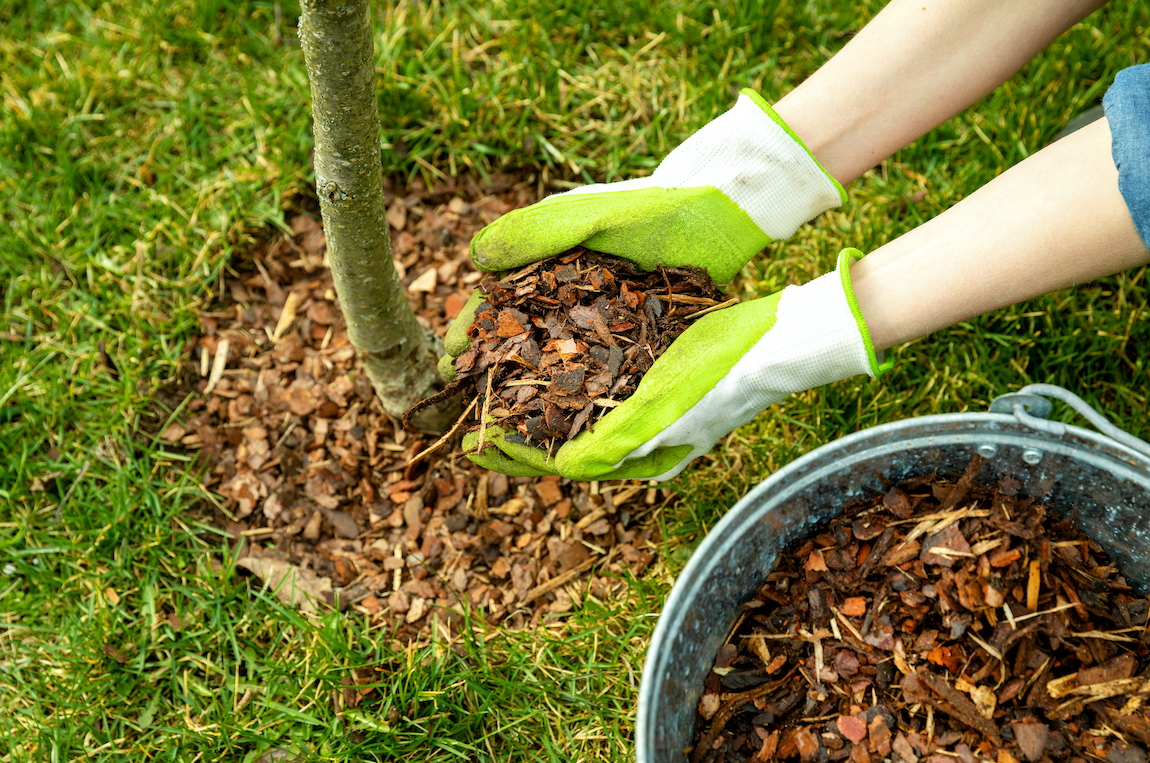
1. Do spread mulch wide enough
A good layer of mulch can help protect your tree's roots from the greedy competition of grass roots. Although the tree's root ball may have looked tiny when you planted the tree, the roots will expand rapidly over the next few years, just as the branches will. Ideally you'll want the tree's mulch to be several feet wide, and you may want to expand it a little each year as the tree grows.
2. Don't make mulch too thick or deep
While mulch can be a positive influence, more of a good thing isn't always necessarily better. If you make it too deep and pile it against the tree's trunk, mulch can start to break down in ways that could harm the tree. For instance, the mulch could harbor moisture and cause trunk rot, or could even provide living space for insects that could attack the tree.
3. Do water trees even after mulching
You may have heard that mulch helps to conserve water and reduce evaporation. While this is true, it doesn't actually mean that your tree won't need supplemental water to drink, especially during hot, dry times of year. So make sure to water your trees regularly even if they're well-mulched.
4. Don't use mulch from diseased trees
Piling mulch against the tree trunk isn't the only way mulch could harm your tree. It could also conceivably carry diseases from another tree (although this isn't common), if you're using wood chips as your mulching material. If you want to use wood chips, consider using chips that have already been composted, and don't use chips that you know came from a sick tree.
5. Do consider organic mulch
Choosing organic products to use on and around your trees can be not only better for the environment, but better for you and your family and pets, and in some cases even better for your trees. Using organic mulches (such as compost or pine straw) that will eventually break down and help build up nutrients in the soil may be more beneficial in the long run than using a product that will last forever (such as rubber mulch).
6. Don't forget to top off the mulch regularly
Once your tree mulch is in place, it will start to settle and degrade. If it's a natural material such as pine needles, it will start to biodegrade and will eventually stop being a mulch and start being a great growth medium for grass. You want to keep an eye on your mulch and add a fresh layer each year if needed so the mulch will keep providing protection against grass and weeds.
These dos and don'ts of mulching will help you to navigate this important aspect of tree care and provide the maximum benefit to your trees while avoiding any inadvertent damage.
As always, if you have questions about tree care please don’t hesitate to contact us at Kingkiner Tree Service 610-808-9438 or www.kingkinertreeservice.com